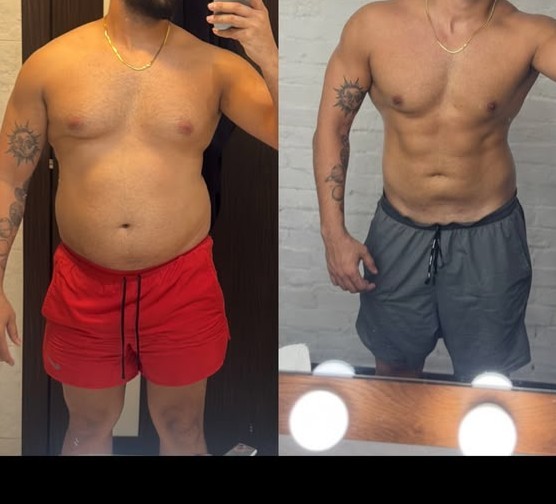
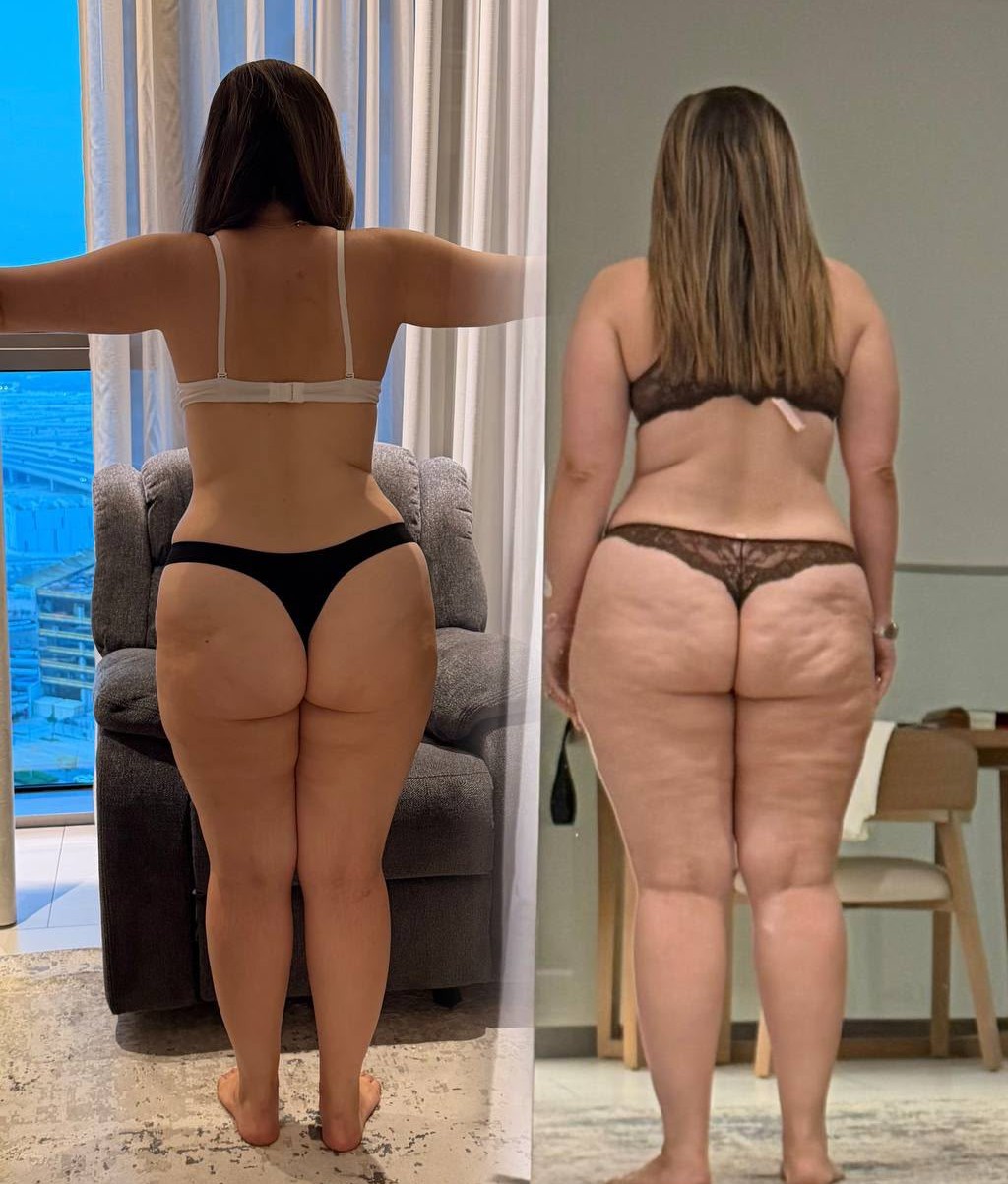
Why these results are shown carefully
The fitness industry’s standard before-and-after photo is close to worthless as evidence. Lighting, posture, tan, hydration, the angle and a held breath can manufacture most of what the picture appears to show, and the photographs that circulate most widely are often the ones most carefully staged.
Results here are presented with the context that makes them meaningful: how long it took, what the starting point was, and what the person was actually doing. A result without a timeframe is a claim, not evidence.
What actually determines your result
People doing comparable programmes end up in different places, and the reasons are consistent.
- Starting point. Someone new to training generally changes faster at first than someone with ten years behind them. This is physiology, not effort.
- Consistency. Four sessions a week for six months beats six sessions a week for six weeks, every time.
- Sleep and stress. Both affect recovery, and recovery is when adaptation actually happens.
- Nutrition. Training provides the stimulus; what you eat decides much of what the body does with it.
- Health history. Medication, prior injury and existing conditions all shape what is realistic and how quickly.
What progress tends to look like
The first visible changes are usually in performance rather than appearance: the same weight feels lighter, a movement that felt awkward stops feeling awkward, you are less wrecked by a flight of stairs. Those shifts arrive before anything is obvious in a mirror, and noticing them is often what keeps people training long enough to see the rest.
Visible change takes longer and arrives unevenly. Nobody progresses in a straight line, and plateaus are a normal part of the process rather than a sign of failure.
How progress is measured
Several measures are tracked, because any single one misleads. Training performance records whether you are getting stronger or fitter. Measurements capture change that body weight hides. Adherence shows whether the plan fits your life. Your own reports of energy, sleep and recovery catch problems the numbers miss.
Body weight alone is the least useful of these over short periods, which is why it is never used on its own.